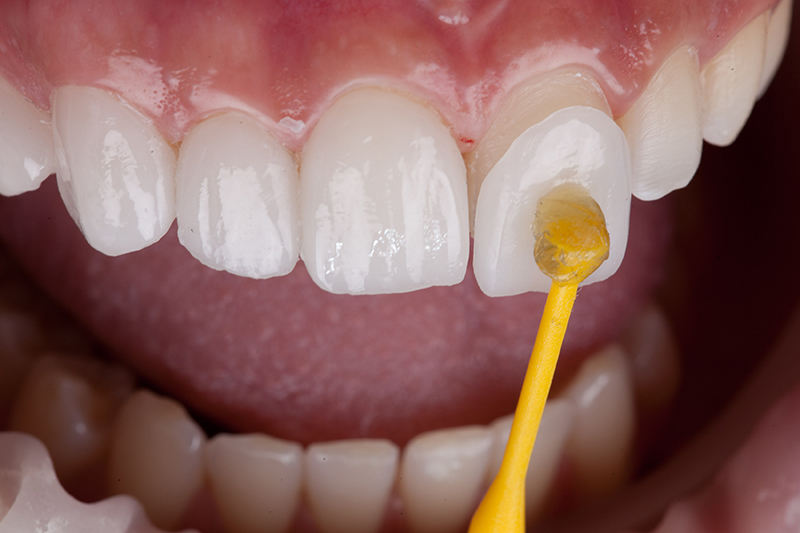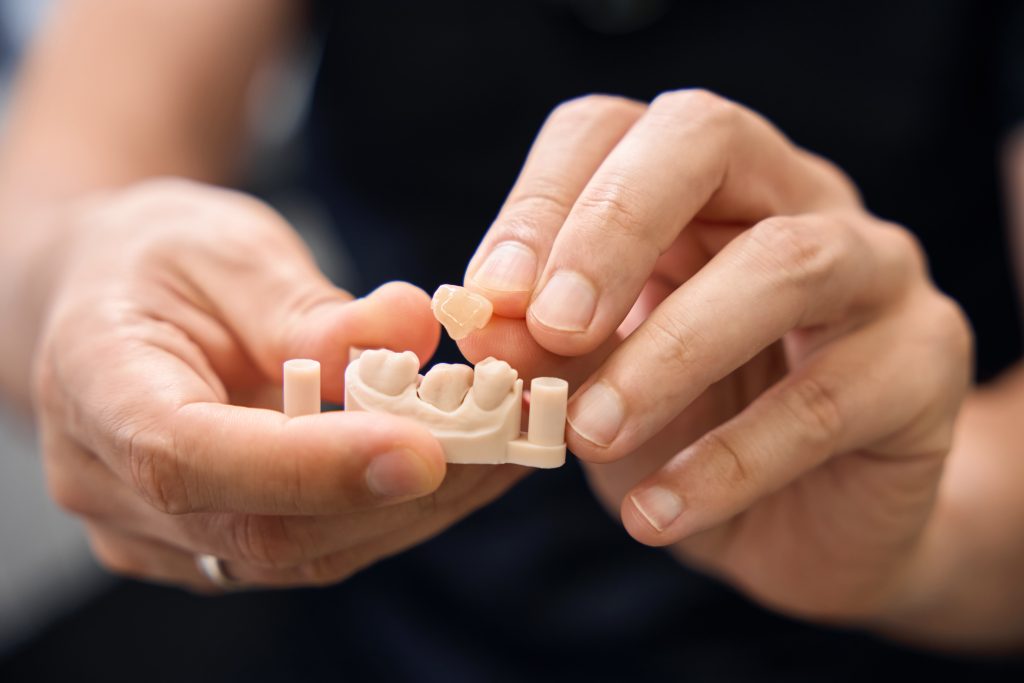
A dental crown is an easy and effective way to restore a damaged or weak tooth. Attaching a crown is a straightforward process. In Australia, it is one of the most common dental procedures, with a market that generated USD 171.7 million in revenue in 2024 [1]. The rising popularity of dental crowns will drive market growth up to USD 324.7 million by 2030.
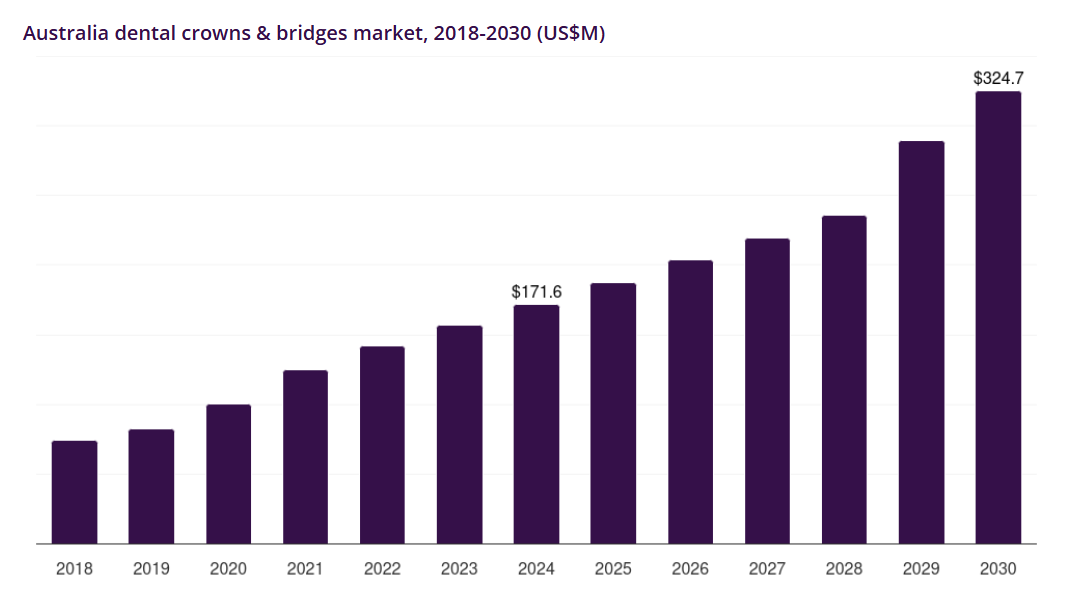
Australia’s dental crowns and bridges market highlights. Source: [1]
- The dental crowns and bridges market is expected to grow at a CAGR of 11.6% from 2025 to 2023 [1].
- Titanium was the most popular implant material in 2024 [1].
- Zirconium implants are the most profitable material category with the highest growth rate in 2024 [1].
- The Australian Dental Association (ADA) conducts surveys regarding dental fees in the country.
- The average cost of a dental crown is $1,573, with prices ranging from $1,051 to $2,000. The cost varies by state and the type of material used [2].
- Medicare does not cover most dental treatments, including crowns, but they may be covered under the “Extras” or “Ancillary” section of an Australian private health insurance policy [3].
How Many Crowns Are Placed in Australia Each Year?
Dental crowns are a common dental restorative treatment for patients of all ages. It is estimated that around 1.5 million dental crowns are placed in patients in Australia yearly. Dentists use crowns to restore damaged, decayed, or weak teeth.
Several factors influence the popularity of dental crowns in Australia:
Incidence of Oral Diseases
Australia has one of the highest incidences of oral diseases, with increasing rates of dental caries, gum disease, and other preventable dental issues [5]. The high cost and long waits in public dental care have led many Australians to delay treatment.
Functional Restoration and Longevity
Crowns are a great option to restore the strength and function of broken teeth, greatly improving a patient’s ability to speak and chew. Dental crowns are also long-term options because of their durability. Wearing crowns increases satisfaction and boosts self-confidence.
Protective Capabilities
Weak teeth can chip, break, or crack. Dentists may advise dental crowns to protect weakened teeth and prevent further damage.
Material Factors and Digital Dentistry
Innovations in dental materials, including strong, natural-looking zirconia and lithium disilicate ceramics, have significantly expanded the use and popularity of dental crowns. Also, advanced technologies such as CAD/CAM helped in the design and production of custom-made crowns for better fit, greater efficiency, and same-day installations.
Cost and Insurance
The cost of dental crowns varies widely depending on the type of material and location. This extends dental insurance coverage and affects patients’ decisions.
Ageing Population
1 in 6 Australians is aged 65 and older, and an increasing geriatric population often has a higher incidence of dental issues, including decay and tooth loss [6] These drive the demand for restorative options, including dental crowns.
Patient Factors
The increased public awareness of the importance of oral health and the available dental treatment options, often spread through social media, has helped encourage patients to get treatment.
Zirconia vs. Porcelain vs. Gold – A Data-Driven Comparison
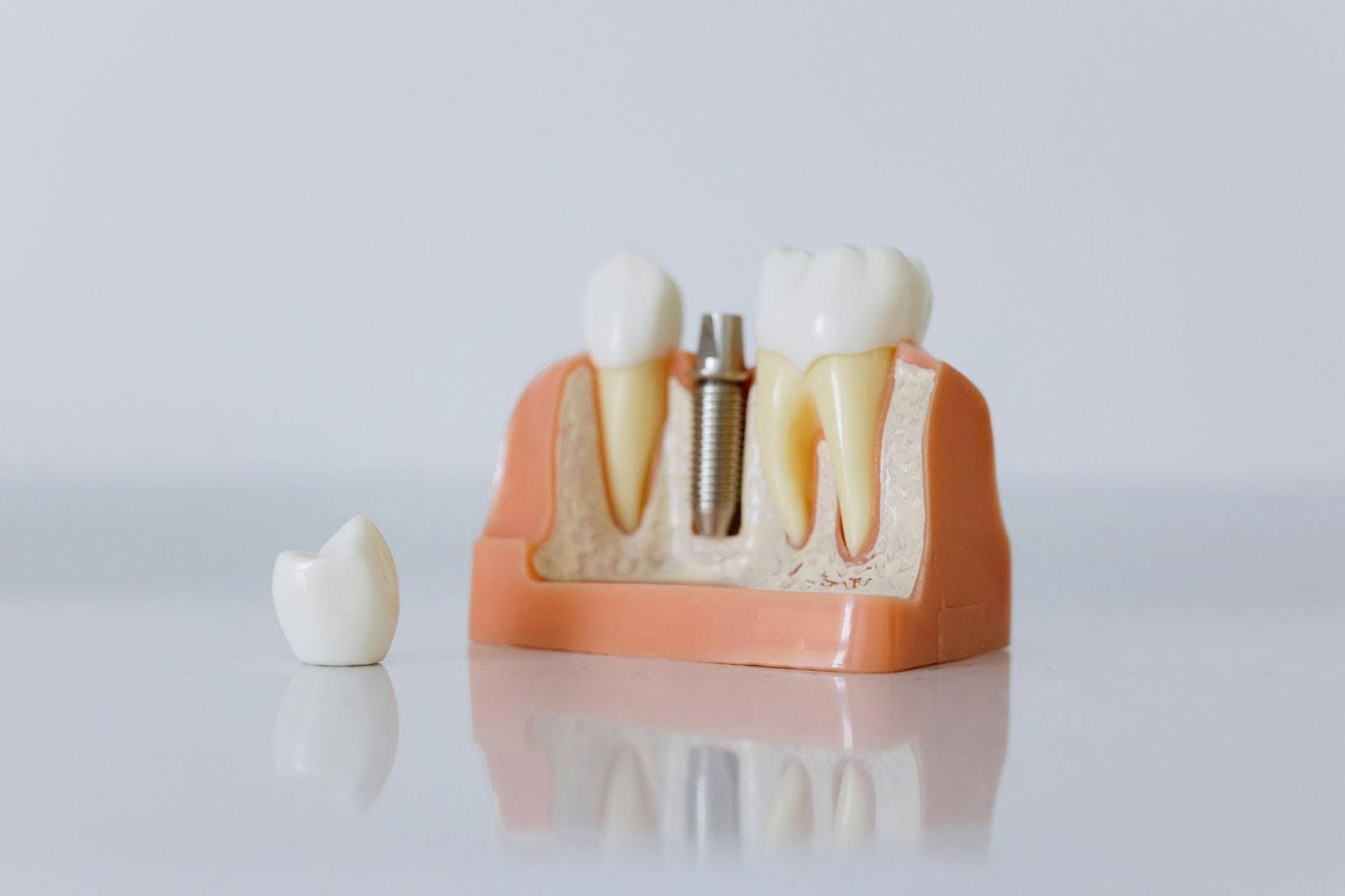
Source: [14]
The most common materials to manufacture dental crowns are zirconia, porcelain, and gold. Understanding the pros and cons of each material can help you make an informed decision when choosing dental crowns.
Zirconia
Pros
Zirconia is strong and durable, making it the best material for molars and back teeth [7]. It is biocompatible, making it a great option for patients with metal allergies. Zirconia crowns are aesthetically pleasing and offer a natural appearance.
Cons
Because zirconia is very hard, it may wear down opposing natural teeth. Also, older or denser zirconia may appear more opaque than porcelain crowns.
Porcelain
Pros
All-ceramic or porcelain crowns are the most natural-looking because of their translucent appearance, which is why most dentists recommend this material for front teeth [8]. Porcelain is durable but gentle on opposing natural teeth.
Cons
Porcelain is less durable than zirconia or gold and is therefore more prone to chipping and breaking. It is not ideal for making back teeth where heavy chewing forces happen.
Gold
Pros
Gold or gold alloys are the most durable and wear-resistant materials, making them ideal for molars [9]. It lasts long and is less likely to break, chip, or crack.
Cons
Gold is the least cosmetically desirable for visible teeth, including front teeth, due to its metallic colour.
Survival Rates and Reasons for Failure
The survival rate of dental crowns depends on the material used. Generally, 90% of crowns last 10 years, with zirconia and metal crowns having the highest longevity [10]. Here is a summary:
Metal Crowns
Metal crowns, including gold or gold alloy, have survival rates of more than 95% at 10 years. Some studies have reported a 90% survival rate for gold crowns after 5 years [10].
Zirconia Crowns
Zirconia has one of the highest durability, with some studies reporting no failures. With good hygiene and dental care, zirconia crowns may last 10 to 15 years or longer [10].
Porcelain–Fused-to-Metal (PFM)
PFM offers natural-looking options that are great for front teeth. These crowns may last 5 to 15 years and, with good hygiene, may last longer [10].
Porcelain Crowns
Porcelain comes with a lower survival rate than metal or zirconia. Porcelain crowns installed in molars or other high-stress areas can last 5 to 15 years or longer with proper care [10]
Reasons for Failure
Dental crowns fail due to technical complications, biological factors, and several patient-related factors.
Porcelain crowns may chip or crack; crowns may fracture; or they may have reduced retention. All of these require the immediate attention of a dental professional.
Additionally, issues such as secondary caries, root canal problems, and periodontal disease may significantly affect the placement of a dental crown. Finally, patient-related factors, including bruxism (teeth grinding), biting or chewing hard foods, and poor oral hygiene, may severely increase crown failure.
Factors That Affect Dental Crown Survival
Some factors can greatly affect the survival rate of dental crowns.
- Root canal treatment: This procedure removes the nerves and blood supply to the tooth, making it brittle and less hydrated and increasing the risk of failure for dental crowns.
- Location and Type of Tooth: Crowns on molars are more likely to experience stress, greatly reducing their survival rates.
- Age of Patient: Elderly patients are at higher risk of dental crown failure due to gum recession and a higher incidence of gum disease.
- Dentist’s Experience: The dentist’s skill and experience can greatly affect the survival of dental crowns. Thus, patients must trust only professionals for their dental treatments.
What Australians Can Expect to Pay in 2025
According to ADA data, Australians are expected to pay around $1,100 to $2,000 per tooth in 2025 [11]. The cost depends on the procedure type, materials used, and treatment requirements. The position and type of teeth, as well as the number of crowns needed, also greatly dictate the price.
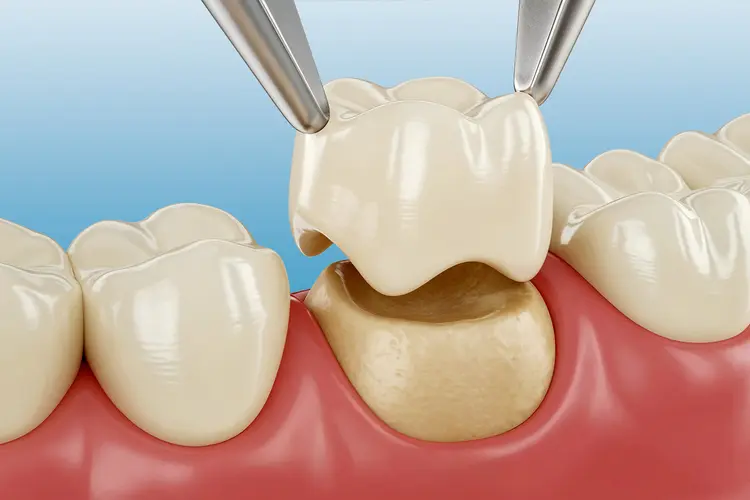
Source: [16]
Cost Breakdown of Dental Crowns by Material
| Type of Material | Cost Range | Qualities |
| Porcelain or All-Ceramic | $1,200 to $2,500 | Natural-looking, best for front teeth, but may be prone to chipping |
| Zirconia | $1,500 to $2,500 | Strong and durable, natural-looking, the most expensive option |
| Porcelain-Fused-to-Metal (PFM) | $1,200 to $2,000 | Strong and natural-looking |
| Gold |
$3,000+ *Subject to the weight of Gold
|
Very durable, long-lasting, best for molars, but less aesthetic |
| Composite Resin | $600 to $1,500 | Most economical, less durable, requires more maintenance |
Key Factors Influencing Price
- Type of Material: Zirconia and all-ceramic dental crowns are generally more expensive than metal or composite resin crowns.
- Complexity of the Treatment: Extensive preparatory work, such as a root canal, a core build-up, or gum treatment, increases the total cost of the treatment.
- Clinic Location: Dental clinics in cities such as Sydney or Melbourne charge higher fees than those in rural areas because of higher overhead costs (rent, utilities, staff).
- Additional Cost: Imaging procedures such as X-rays, consultation fees, and the use of temporary crowns are extra and add to the total price.
- Dental Technology: Clinics with updated equipment, such as CAD/CAM technologies, can manufacture same-day crowns. This can reduce laboratory costs but may not always reduce the overall price.
Insurance and Out-of-Pocket Expenses
People with private health insurance must review their plans to ensure they are covered. Typically, dental treatments are covered under the “extras” cover, which may provide a partial rebate (usually between $400 and $800), leaving a gap payment for the patient. Medicare does not cover routine crown work unless it is necessary as part of hospital treatment. As a result, many dental clinics offer flexible payment plans to help manage the high costs.
How Digital Dentistry is Changing the Game
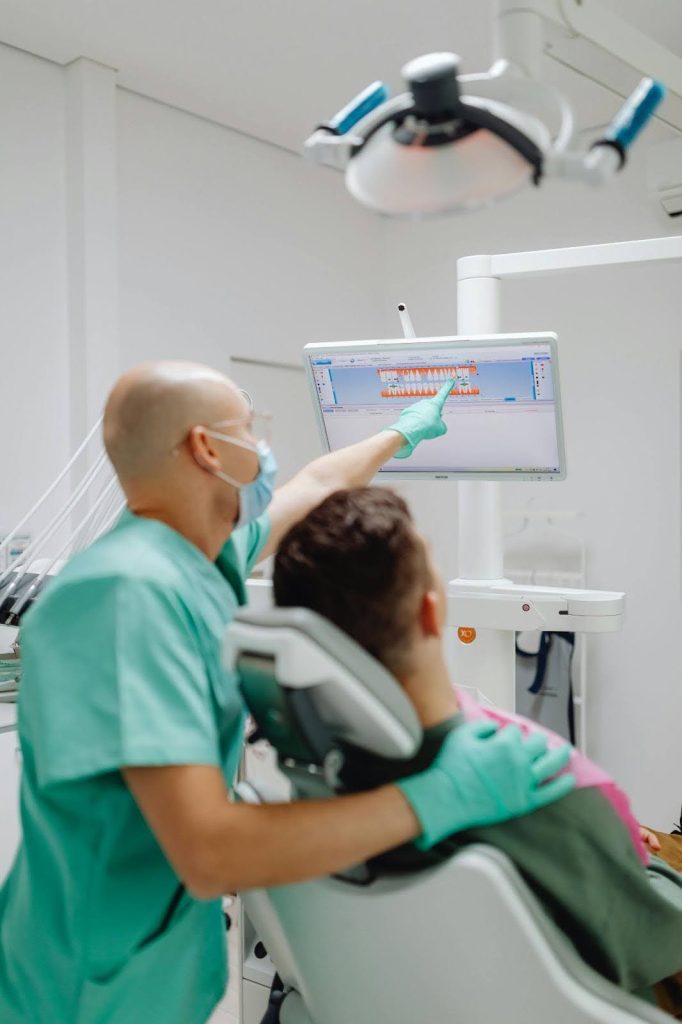
Source: [17]
Digital dentistry is improving how people receive dental crowns through streamlined, efficient workflows. Clinics (such as our dental clinic in Camden) may use digital impressions and in-house milling, which offer significant advantages over traditional crown manufacturing methods.
The Rise of Digital Impressions
To ensure the best results, digital impressions are taken using intraoral scanners. These are more effective and less uncomfortable than traditional polyvinyl siloxane (PVS) [12]. Intraoral scanners capture accurate 3D images of teeth and surrounding tissue to create precise models, improving crown fit and reducing the need for adjustments [13].
Also, digital impression files can be easily sent to a dental lab or used with in-house software to create crowns. This reduces shipping time and cost, enabling faster turnaround.
Projecting the Next 5 Years
In the Asia-Pacific region, the Australian dental crowns & bridges market is projected to lead the regional market in revenue in 2030 [1]. This is due to increased demand for aesthetic, natural-looking, high-quality restorations.
The market also benefits from an ageing population, which is associated with higher rates of dental issues, including tooth loss and dental caries.
Additionally, Australian dental clinics are increasingly adopting advanced technologies such as CAD/CAM and intraoral scanners, providing patients with the best treatment options [14].
Data Sources and Citation
[1] Grand View Research – Dental crowns and bridges outlook in Australia
[2] Health Engine – Cost of types of crowns
[3] Health Direct – Cost of dental care
[4] Edentist – Dental crowns and bridges
[5] AIHW – Oral health and dental care in Australia
[6] AIHW – Older Australians
[7] Colgate – Zirconia crowns
[8] Cleveland Clinic – Dental crowns
[9] Healthline – Gold crown tooth
[10] Healthline – How long does a crown last
[11] Health Engine – Guide to tooth crowns cost
[12] Research Gate – Polyvinyl siloxanes
[13] NIH – Intraoral scanners
[14] Pexels – Close-up shot of dental implants
[16] WebMD – What is a zirconia crown
[17] Pexels – Dentist having a discussion with a patient